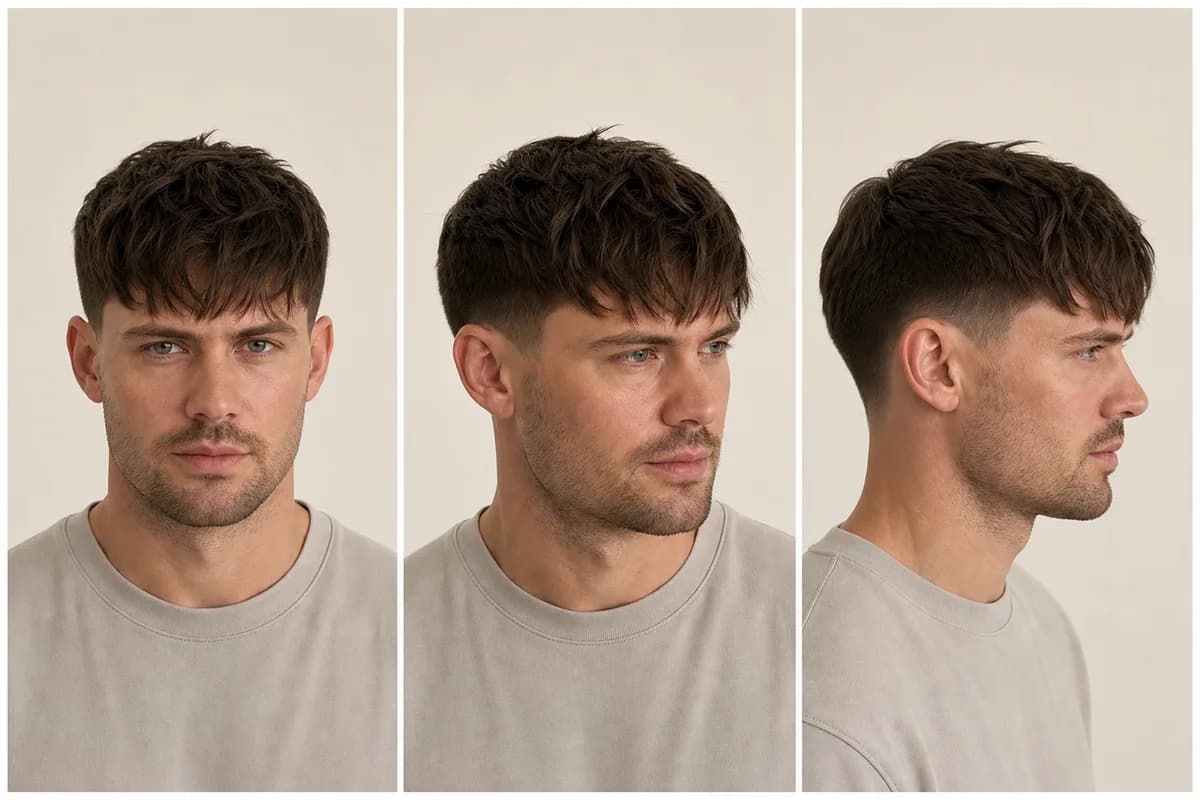
More shape, less polish
The common thread is intentional contrast: soft volume against a clean taper, a broken fringe against short sides, or long layers with a visible face frame. The style looks personal, but the cut still needs a clear shape underneath it.
- 1Texture is visibleSeparation, curl, and movement are part of the shape instead of being ironed away.
- 2The outline is deliberateTapers, fringes, face frames, and nape length make the haircut recognisable.
- 3Gender rules are looserCurtains, mullets, shags, crops, and bobs move across presentation more freely.
- 4Styling is the hidden variableThe same cut can look relaxed or highly finished depending on the routine.
Current cuts, with the honest catch
Every image below was generated with GPT Image 2 at medium quality for this product's style catalog. The people are fictional. Pick a shape, then use the button to keep that cut selected when you start your own try-on.
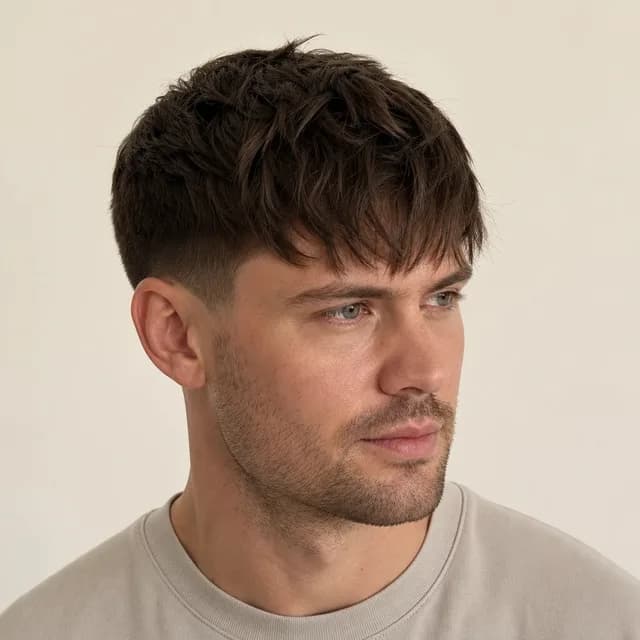
Textured fringe with a low taper
- The shape
- Loose, separated fringe with shorter sides and weight left at the front.
- Works best when
- Straight to wavy hair with enough length to fall forward.
- The honest catch
- It can turn into a high, round broccoli shape if the sides are taken too tight.

Bro flow
- The shape
- Medium length pushed back with movement around the ears and neck.
- Works best when
- Wavy or bendable hair that can grow through the awkward middle stage.
- The honest catch
- The relaxed look still needs a clean outline and regular weight removal.

Middle-part curtains
- The shape
- Longer front sections split near the center and frame both sides of the face.
- Works best when
- Straight or wavy hair with at least medium length at the front.
- The honest catch
- A strong cowlick may force the part off center, which can still look better.

Burst fade
- The shape
- A curved fade around the ear with length kept through the back and top.
- Works best when
- Curly, coily, or straight hair when the contrast is the point.
- The honest catch
- The fade line needs frequent cleanup and can make the back look disconnected if pushed too high.

Modern mullet
- The shape
- Shorter temples, active layers on top, and visible length through the back.
- Works best when
- Wavy, curly, or straight hair with enough length at the crown and nape.
- The honest catch
- This is a shape commitment. A soft version grows out more easily than a disconnected one.
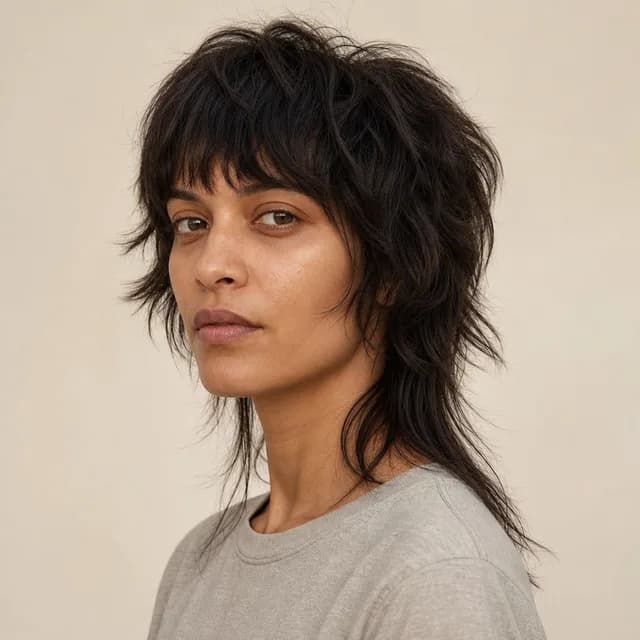
Wolf cut
- The shape
- Short, airy crown layers flowing into longer, shaggy ends.
- Works best when
- Medium to thick wavy or straight hair that can hold broken-up layers.
- The honest catch
- Fine hair can lose too much perimeter if the stylist removes weight everywhere.
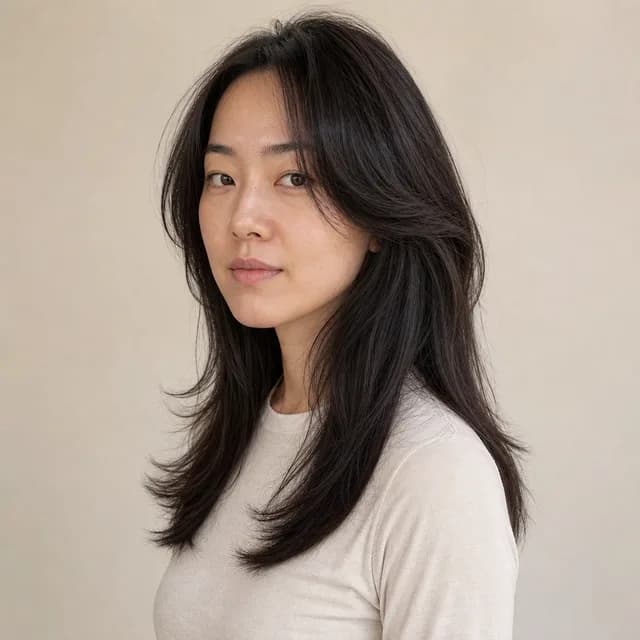
Butterfly layers
- The shape
- Shorter face-framing layers over long length, styled away from the face.
- Works best when
- Medium to thick hair at collarbone length or longer.
- The honest catch
- The viral blowout shape takes round-brush or hot-tool styling to repeat at home.
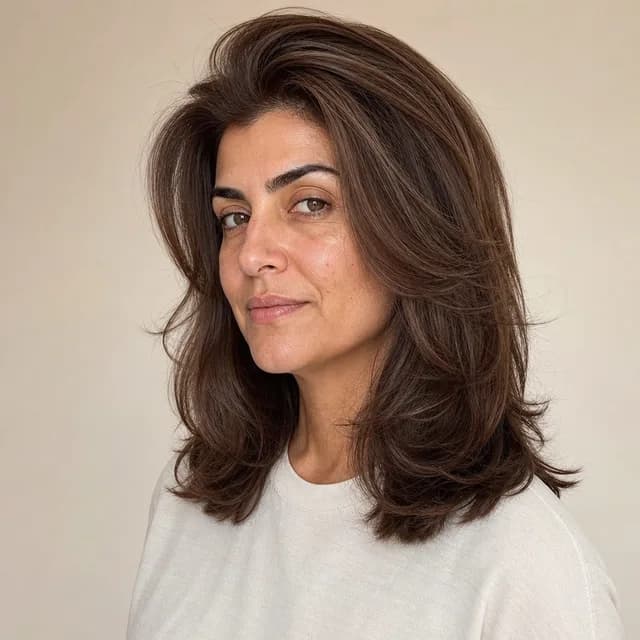
90s blowout
- The shape
- Long layers, lifted roots, and rounded ends with visible movement.
- Works best when
- Medium to thick straight or wavy hair with enough length for large layers.
- The honest catch
- The cut supports the look, but the volume is styling rather than scissors alone.

Bixie
- The shape
- A pixie and bob hybrid with a short back, longer sides, and movable top layers.
- Works best when
- Straight, wavy, or curly hair when the layer plan matches the texture.
- The honest catch
- It needs more frequent shaping than a bob and more daily direction than a very short pixie.
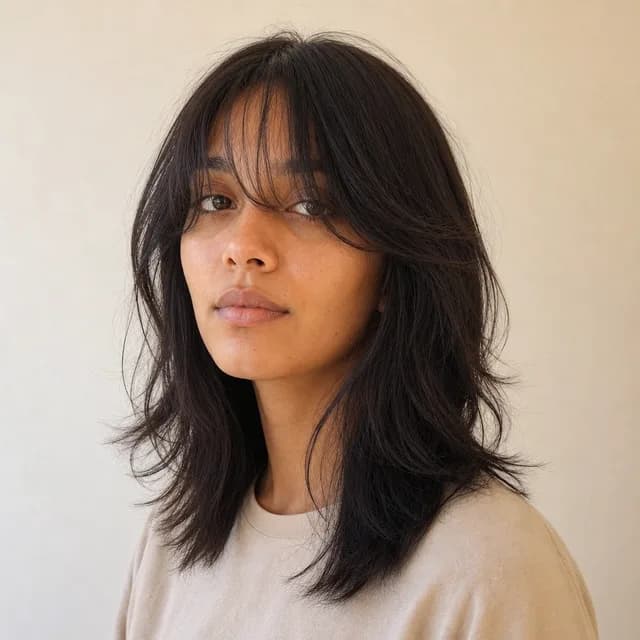
Birkin bangs
- The shape
- Soft brow-length fringe with light separation and longer pieces at the edges.
- Works best when
- Straight to softly wavy hair with enough density at the front.
- The honest catch
- A dense reference photo can be misleading if the real fringe section is fine or sparse.
What it takes to wear the reference
| Effort level | Good starting cuts | What you are signing up for |
|---|---|---|
| Low daily effort | French crop, textured crop, soft buzz, simple flow | Little daily styling, but fades and short outlines still need regular trims. |
| Some styling | Textured fringe, curtains, bixie, Birkin bangs | A small amount of product, drying direction, or fringe control most days. |
| Style is part of the look | 90s blowout, butterfly layers, wolf cut | The salon creates the structure. Heat, brushing, or curl styling creates the finish. |
Gen Z haircut FAQ
What haircut is most popular with Gen Z?
There is no single Gen Z haircut. The common thread is visible shape and personal styling: textured fringes, tapers, curtains, mullets, shags, butterfly layers, blowouts, and softer statement bangs. The right one depends on the hair you already have and the effort you want to spend.
What is the Gen Z broccoli haircut called?
The more useful barber name is a textured or curly fringe with a taper. Ask for the height of the fade, how much weight stays at the temples, and whether the fringe should fall forward or sit high. That prevents the vague nickname from producing the wrong shape.
Which Gen Z haircut is low maintenance?
A French crop, textured crop, soft buzz cut, or a simple medium flow is usually easier than a blowout, wolf cut, or heavily styled fringe. Maintenance also includes how often the outline or fade needs a trim.
Can I try a Gen Z haircut on my own face?
Yes. Choose any cut in this guide, upload one clear photo, correct the hair profile, and generate a personalized preview. The first two images are free and no account is required.