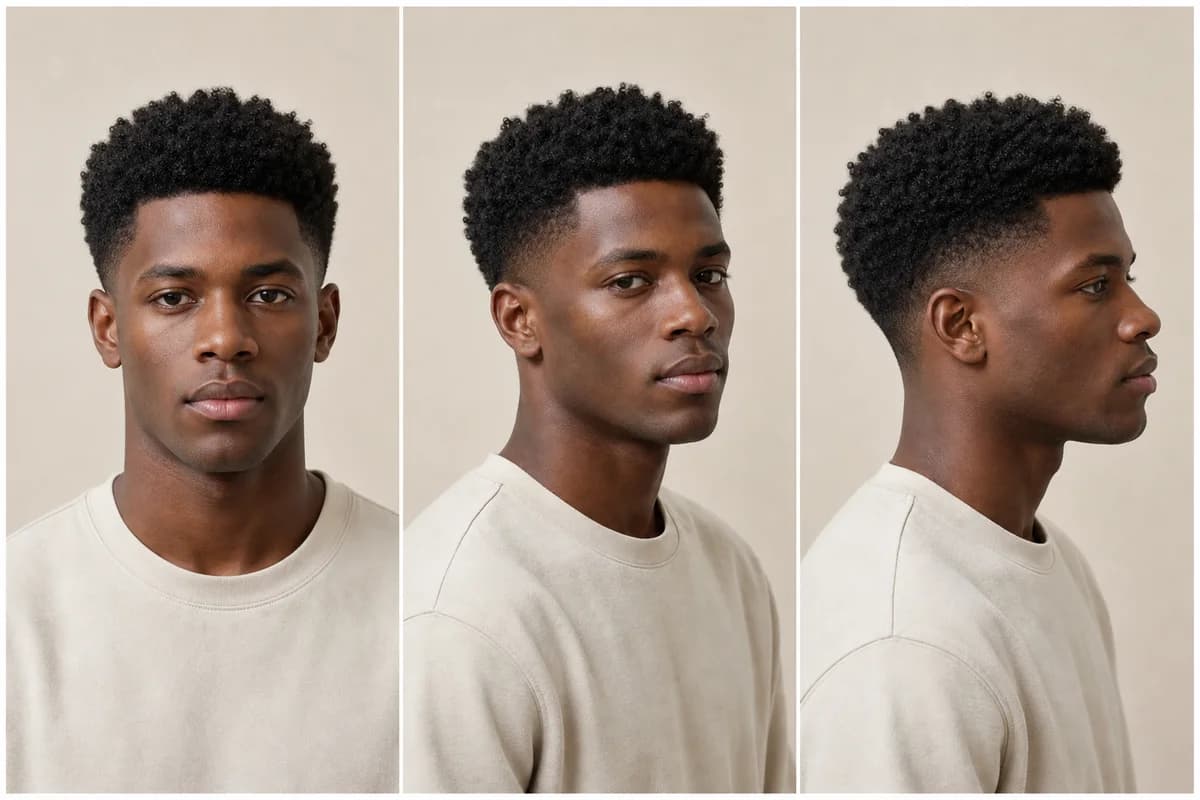
Curl pattern changes the apparent length
Two cuts with the same measured top length can finish very differently. A useful reference matches the dry curl size and the side treatment, not only the haircut name.
- 1Short curlsA taper, crop, or shape-up keeps the pattern visible with less drying and refresh time.
- 2Medium curlsA fringe, shag, or fuller taper can use movement without pushing all volume to the top.
- 3Long curlsConnected layers can control the outline while preserving useful weight at the ends.
- 4Tight coilsKeep coil diameter, scalp visibility, and shrinkage honest in every preview and reference.
Ten curly haircuts for men
The side treatment controls contrast. The dry top length controls the finished shape. Compare both before you save a reference.
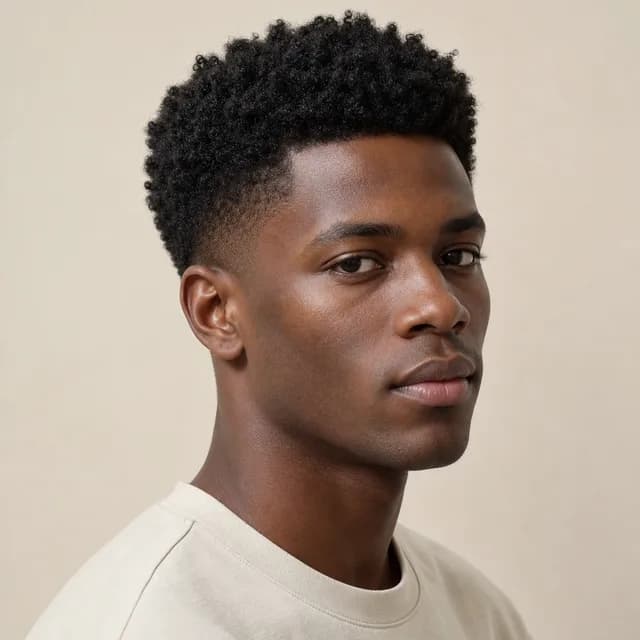
Curly taper
- Why it works
- It keeps the curl as the main feature while making the edges look deliberate.
- Best starting point
- Short to medium curls when low upkeep between full haircuts matters.
- Check before cutting
- A high taper can narrow the head and make the top look more disconnected.
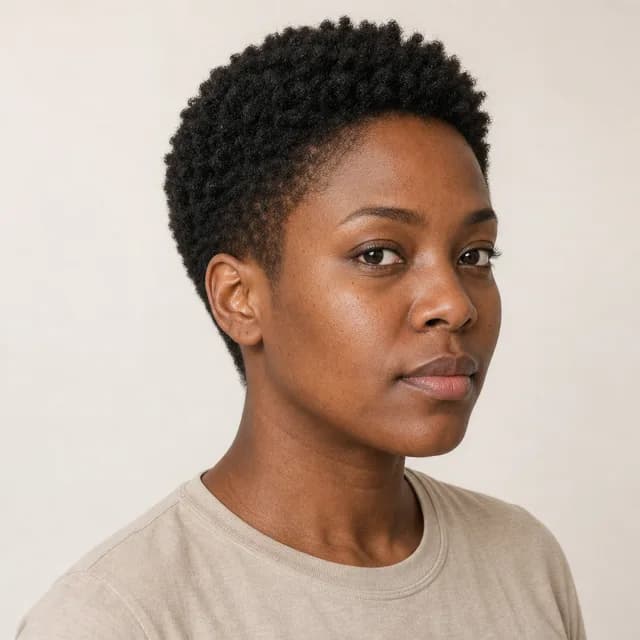
Coily tapered crop
- Why it works
- The short length keeps the outline controlled while the coil pattern supplies texture.
- Best starting point
- Tight coily hair worn short with a natural or lightly shaped top.
- Check before cutting
- Do not use a loose-curl reference because it changes height, width, and styling needs.
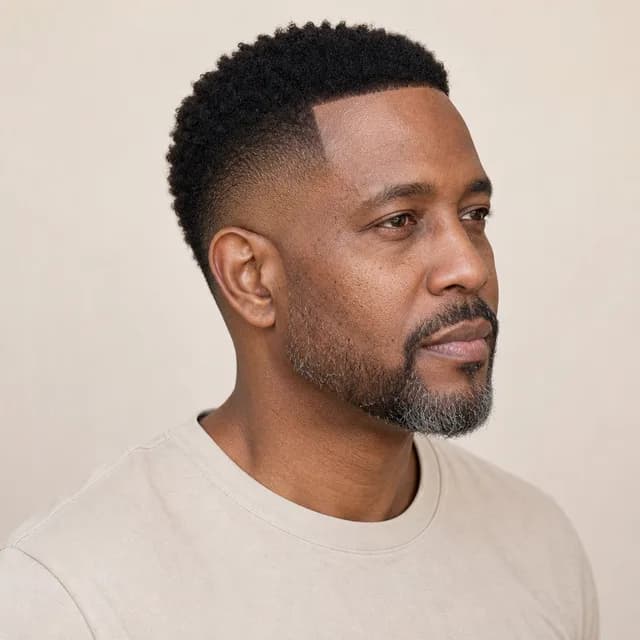
Curly burst fade
- Why it works
- The curve around the ear creates a strong outline without flattening the top curl.
- Best starting point
- Dense curls or coils when a more graphic barbered result is wanted.
- Check before cutting
- It needs regular fade cleanup and a clear plan for the back silhouette.
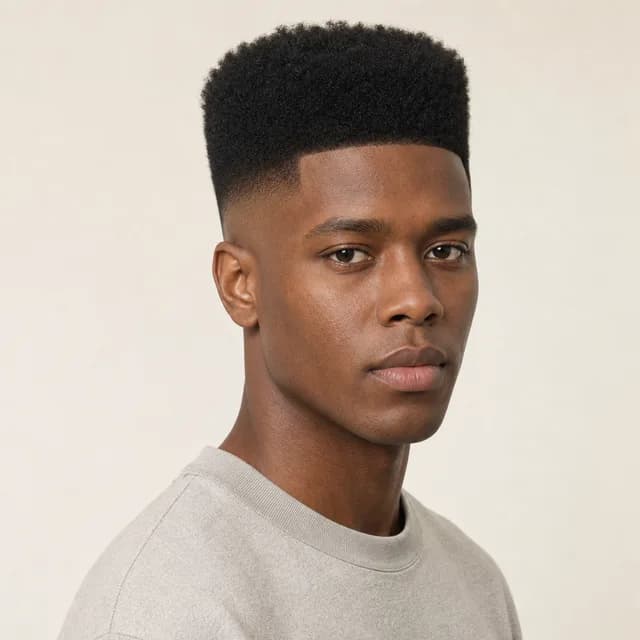
Curly high top fade
- Why it works
- Dense curl or coil can hold a clean vertical or rounded top shape.
- Best starting point
- Dense curly or coily hair with enough top length and a preference for regular shaping.
- Check before cutting
- The fade and top edge need frequent maintenance to keep the geometry clear.
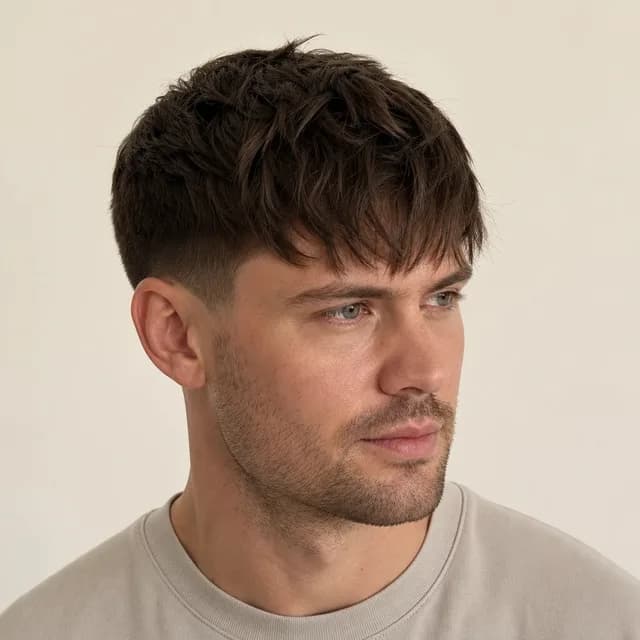
Curly textured fringe
- Why it works
- The fringe can soften the forehead and let medium curls form a natural front shape.
- Best starting point
- Loose to medium curls with enough front length after shrinkage.
- Check before cutting
- Ask where the shortest front curl will land when completely dry.
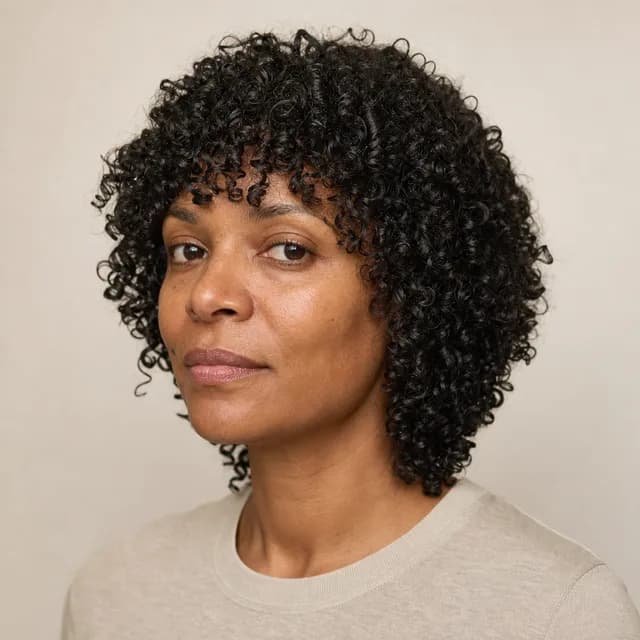
Medium curly shag
- Why it works
- It distributes volume instead of stacking every curl above a tight fade.
- Best starting point
- Loose to medium curls with enough length to form connected layers.
- Check before cutting
- Too many short crown layers can make the top wide and the lower ends sparse.
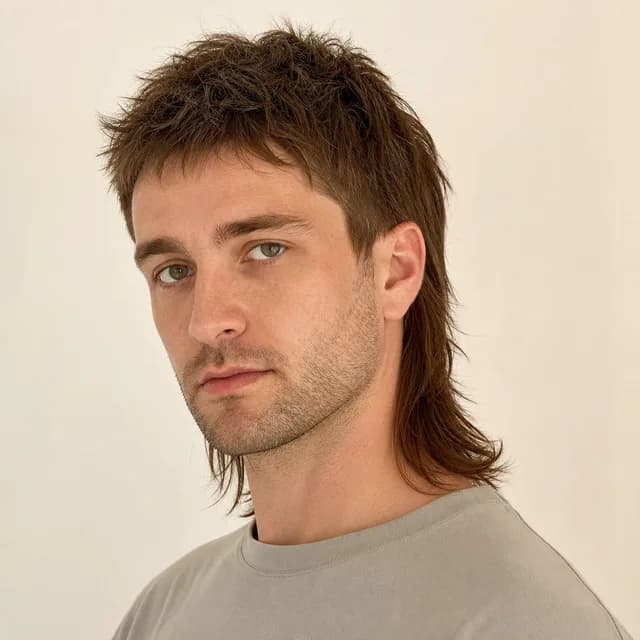
Curly modern mullet
- Why it works
- Curl gives the top and back natural separation while the sides control the profile.
- Best starting point
- Curly hair with enough crown and nape length to show the shape in profile.
- Check before cutting
- A sharp fade creates a much harder version than a soft scissor-cut side.
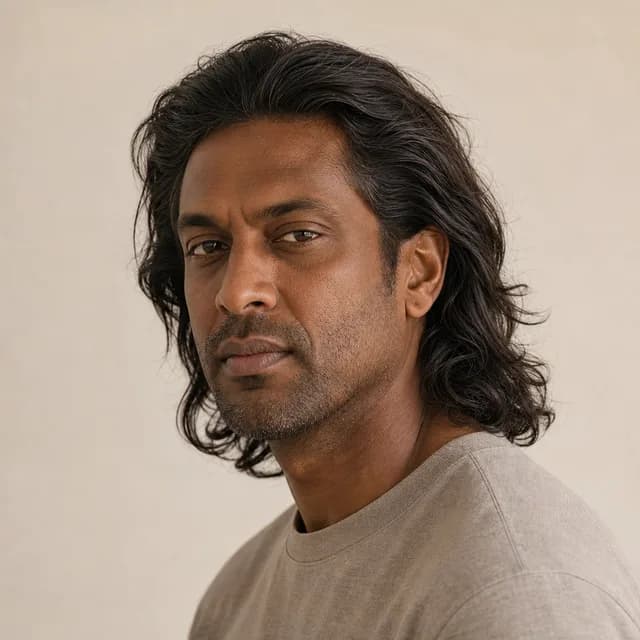
Wavy-curly bro flow
- Why it works
- The cut uses bend and movement without forcing a precise part or high-volume quiff.
- Best starting point
- Loose curls or strong waves with medium length and moderate to high density.
- Check before cutting
- It needs enough side and back length to tuck or sweep instead of puffing outward.
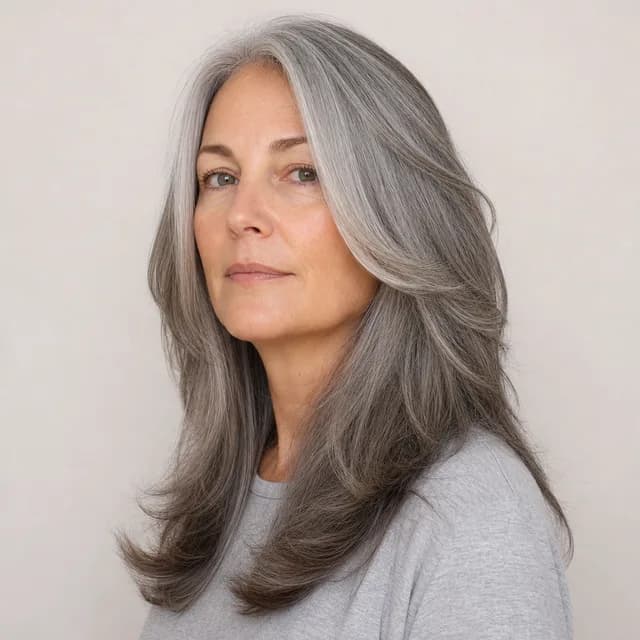
Long curly layers
- Why it works
- Selective layers can prevent one heavy triangle without removing all end density.
- Best starting point
- Medium to dense curls at ear length or longer.
- Check before cutting
- Set the first layer by the dry curl position, not only by the stretched length.
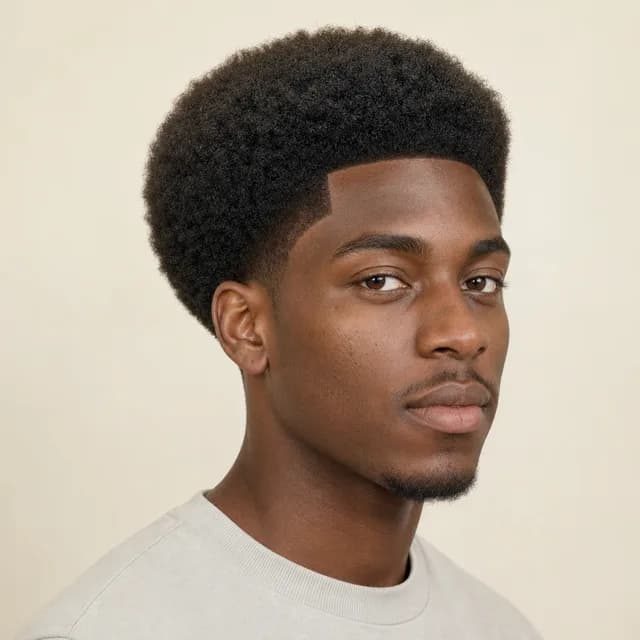
Rounded afro shape-up
- Why it works
- The outline can be balanced without changing the natural pattern or filling the corners.
- Best starting point
- Dense coily hair worn in a rounded natural shape.
- Check before cutting
- A preview should not draw a straighter or lower hairline than the source photo.
Ask for the dry result, not only the clipper number
Clipper length describes the side. It does not explain where the curls land or how the top connects.
Where will the fringe land dry?
Check the shortest curl at the front after normal shrinkage.
How high is the taper or fade?
Keep it low when you want width and a softer connection to the top.
How should I style it at home?
Make sure the finish works with your actual wash, product, and drying routine.
Haircuts for curly hair men FAQ
What haircut is best for men with curly hair?
A curly taper is a flexible starting point, but a crop, fringe, shag, burst fade, high top, flow, or long layers may fit better. Curl diameter, shrinkage, density, starting length, and routine decide the best option.
What is a good short haircut for curly hair men?
A coily tapered crop, curly taper, burst fade, or short textured fringe can keep the natural pattern visible at a practical length. Decide how much side contrast you want before choosing a fade height.
Should men with curly hair get layers?
Layers can distribute volume and release movement in medium or long curls. Poorly placed short layers can create a wide crown or thin ends, so the stylist should explain where weight stays.
Can the try-on keep my exact curl pattern?
The prompt tells the image model not to loosen, stretch, smooth, or enlarge the source curl pattern. Compare every output with the original photo because image models can still make flattering mistakes.