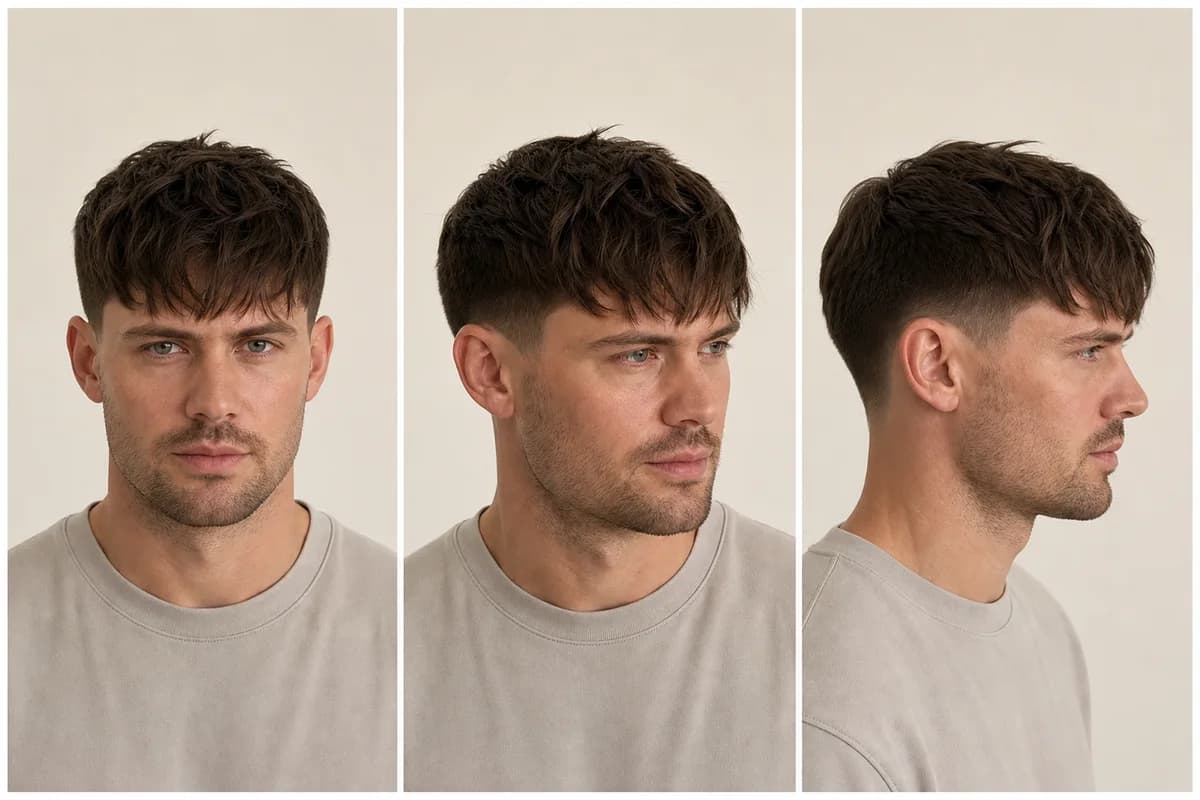
Thickness and density decide how the shape sits
Fine straight hair can collapse or separate under heavy product. Thick straight hair can project outward until it has enough length or internal weight removal. Match both traits before choosing the photo.
- 1Fine and straightProtect the perimeter and use lighter products that do not group the strands.
- 2Thick and straightUse enough length or selective internal removal to stop the sides from projecting.
- 3Strong growth directionWork with the natural part, cowlick, or forward fall instead of fighting it every day.
- 4Long straight hairSet the first layer and lower perimeter so the ends still look deliberate.
Ten cuts across three lengths
The product note matters as much as the photo. Several textured references depend on point cutting, blow drying, or a matte finish rather than natural wave.
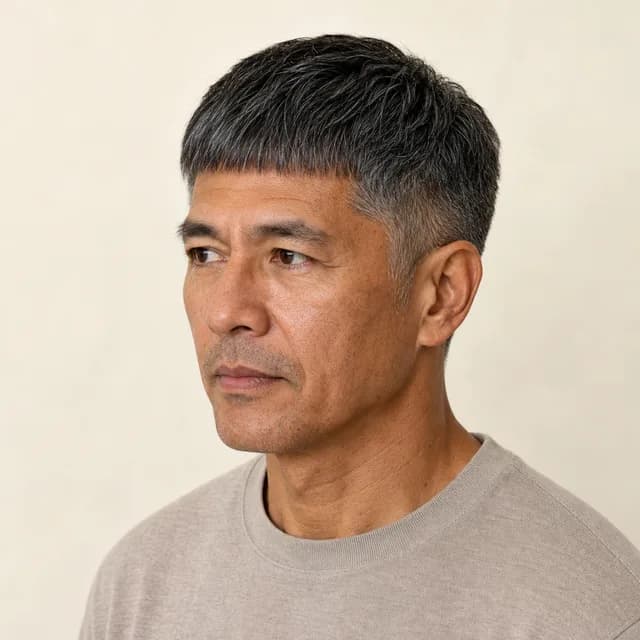
French crop
- Why it works
- It gives straight hair a clear shape without asking it to hold much height.
- Best starting point
- Fine to thick straight hair at short length.
- Check before cutting
- A heavy blunt fringe can look denser and more severe than a broken edge.
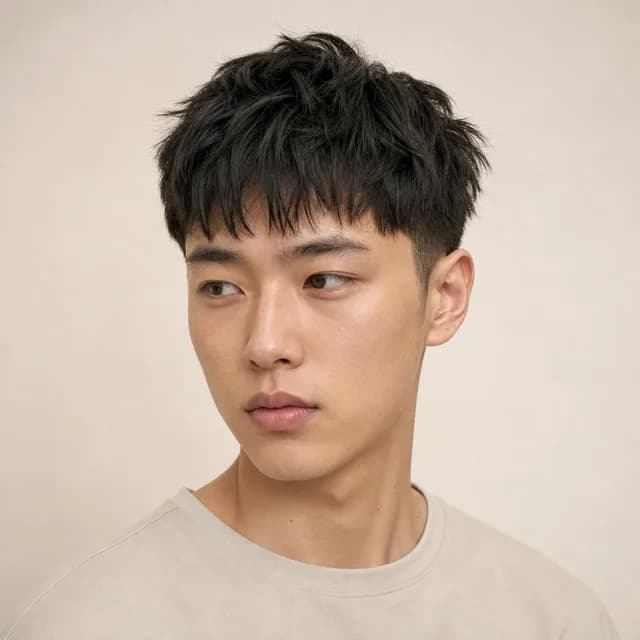
Textured crop
- Why it works
- Selective separation creates movement without changing the hair into waves.
- Best starting point
- Medium to thick straight hair with a forward or neutral growth pattern.
- Check before cutting
- Over-thinning can make fine hair look sparse, so density changes the technique.
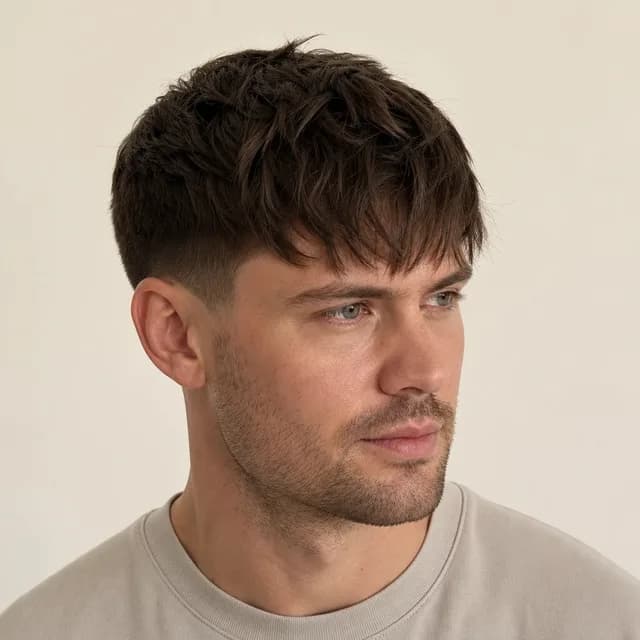
Textured fringe
- Why it works
- It creates a current front shape while working with the hair's natural fall.
- Best starting point
- Straight hair with enough front length and moderate density.
- Check before cutting
- Very fine hair may need a smaller fringe so the rest of the top does not look empty.
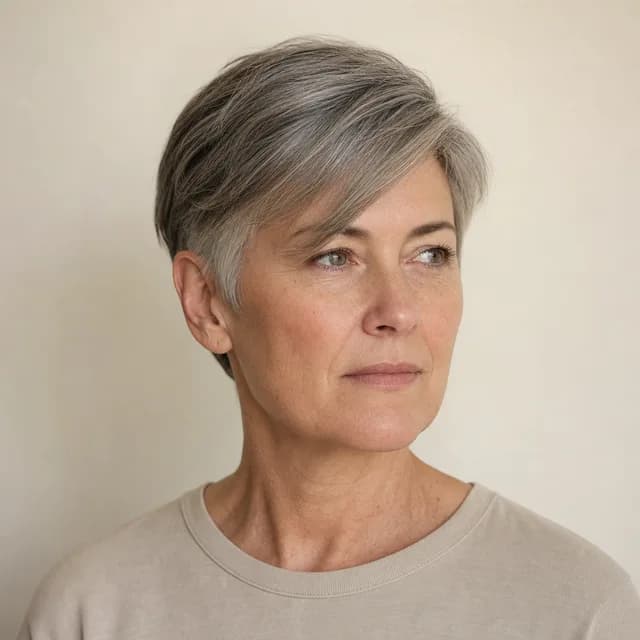
Side-swept fringe
- Why it works
- A diagonal direction gives movement without requiring wave or a high-volume finish.
- Best starting point
- Fine to medium straight hair with a natural side part.
- Check before cutting
- Heavy shine products can separate fine strands and reveal more scalp.

Straight curtains
- Why it works
- The center or off-center part gives medium hair a clear frame with no tight fade.
- Best starting point
- Medium straight hair that naturally splits near the center.
- Check before cutting
- The awkward grow-out stage ends only when the sides become heavy enough to settle.

Straight-hair quiff
- Why it works
- Thick straight hair can hold a structured front when the length and blow-dry direction are right.
- Best starting point
- Medium to thick straight hair with enough density at the front.
- Check before cutting
- It takes more morning work and may exaggerate forehead height on some faces.
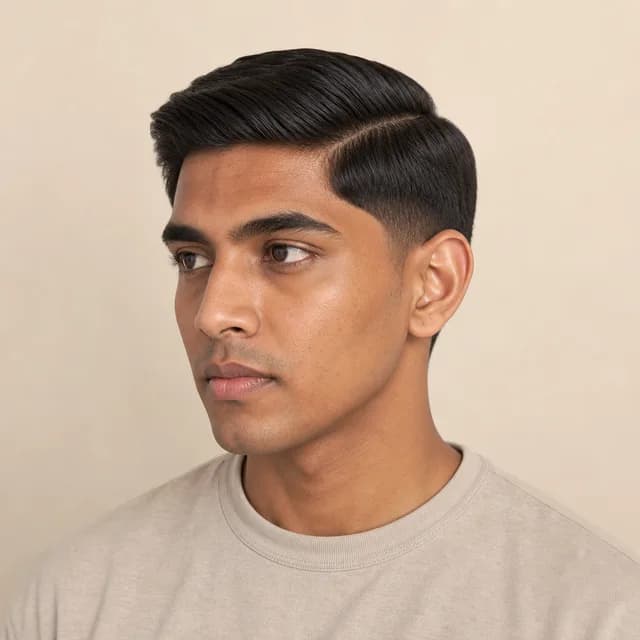
Comb over with taper
- Why it works
- It uses straight hair's clean direction for a professional, repeatable shape.
- Best starting point
- Fine to thick straight hair with a stable side direction.
- Check before cutting
- Do not sweep a small section too far across a thin top because it can look forced.
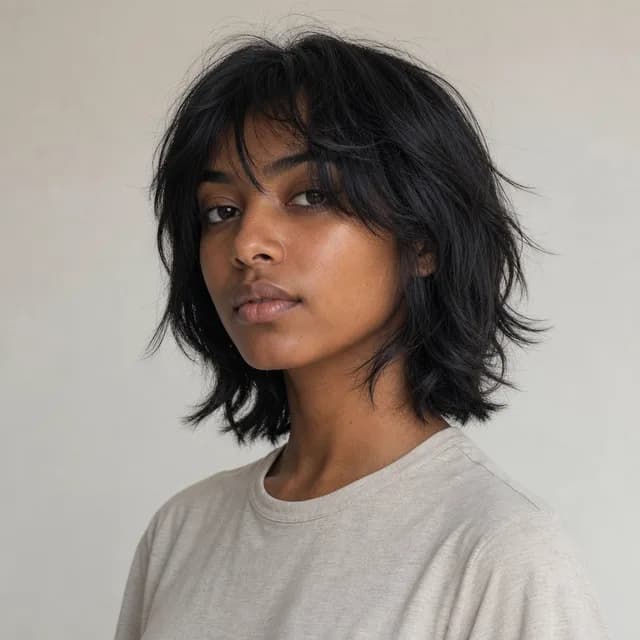
Messy medium layers
- Why it works
- Longer point-cut layers can move while the actual texture stays straight.
- Best starting point
- Medium straight hair with moderate or high density.
- Check before cutting
- The style may still need a light cream or matte paste to keep separation visible.
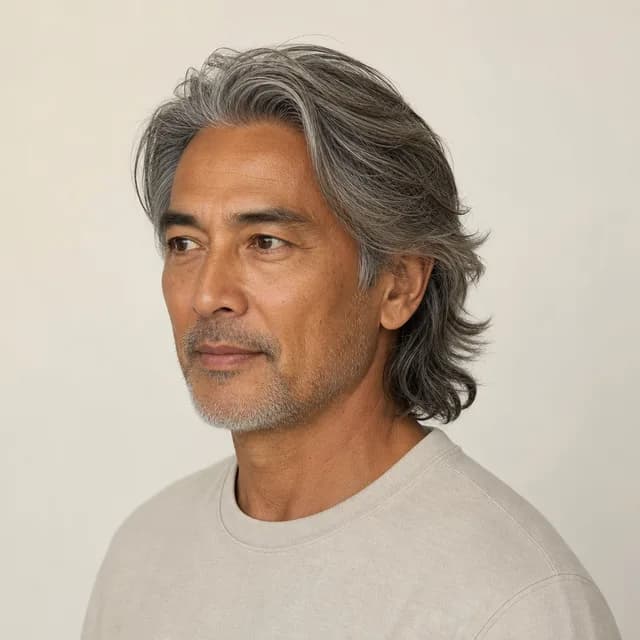
Straight flow
- Why it works
- The added length lets straight hair bend around the head without a perm or curling tool.
- Best starting point
- Medium to thick straight hair at ear length or longer.
- Check before cutting
- Thick hair may project at the sides until it becomes long enough to tuck or sweep back.
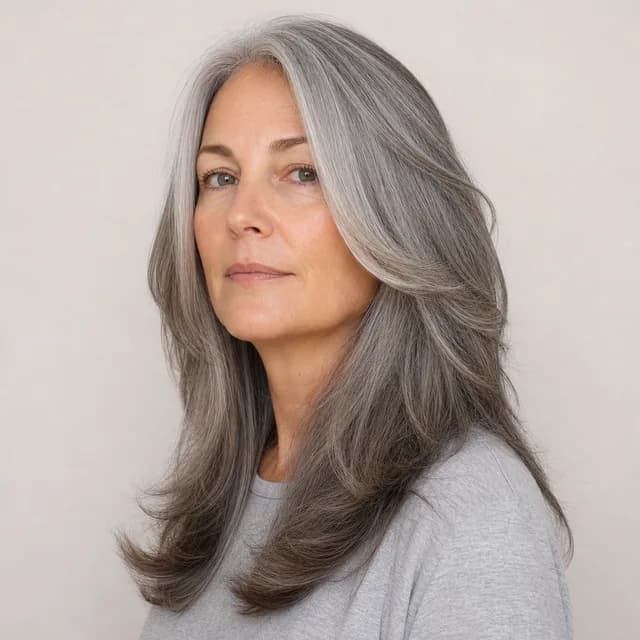
Long straight layers
- Why it works
- Selective layers prevent one flat sheet while preserving a healthy lower line.
- Best starting point
- Straight hair below the ears with enough density to support face framing.
- Check before cutting
- Too many short layers can make the ends appear thin and difficult to tie back.
Name the finish that creates the movement
If the photo looks textured, ask whether that comes from the cut, the blow dry, product, or a different natural texture.
Keep it straight
Tell the stylist you want movement without a perm or a curled finish.
Match the density
Fine hair needs weight protection. Thick hair may need selective internal removal.
Use the growth pattern
Build the fringe, part, or sweep around the direction the hair already wants to take.
Haircuts for straight hair men FAQ
What haircut is best for men with straight hair?
A French crop, textured fringe, side sweep, curtains, quiff, taper, medium flow, or long layers can work. The best choice depends on strand thickness, density, growth direction, length, and styling effort.
What short haircut works for straight hair men?
A French crop, textured crop, crew cut, or short taper gives straight hair a clear shape at low to moderate styling effort. Fine and thick straight hair need different texturising techniques.
How can straight hair have texture without a perm?
Point cutting, selective layers, blow-dry direction, and a light matte product can create visible separation. The hair remains straight, so use a straight-hair reference to set a realistic result.
Can the preview keep my hair straight?
Yes. The generation instructions preserve the source texture and apply only the selected haircut shape. Always compare the output with the source because an image model can still add flattering bend.