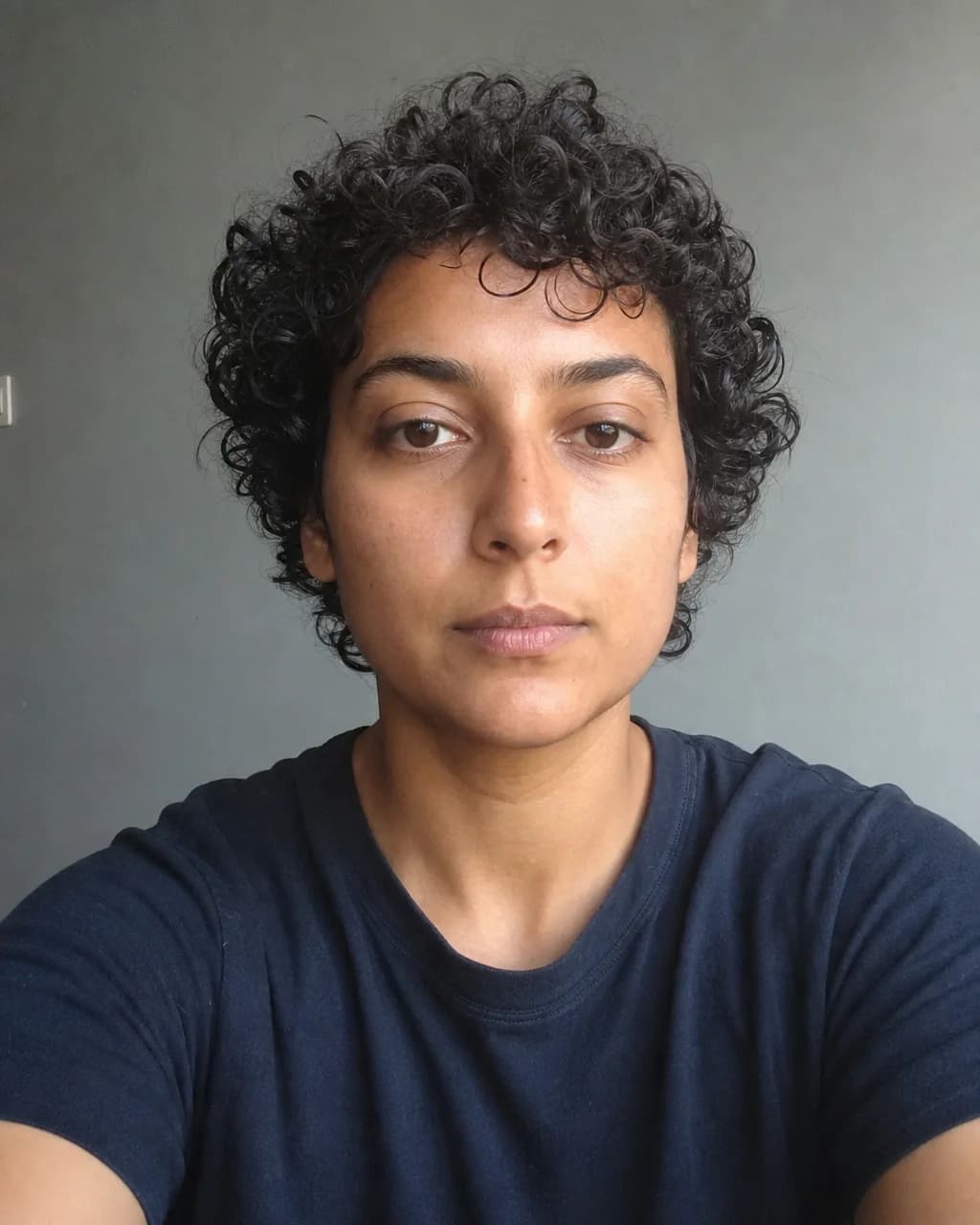
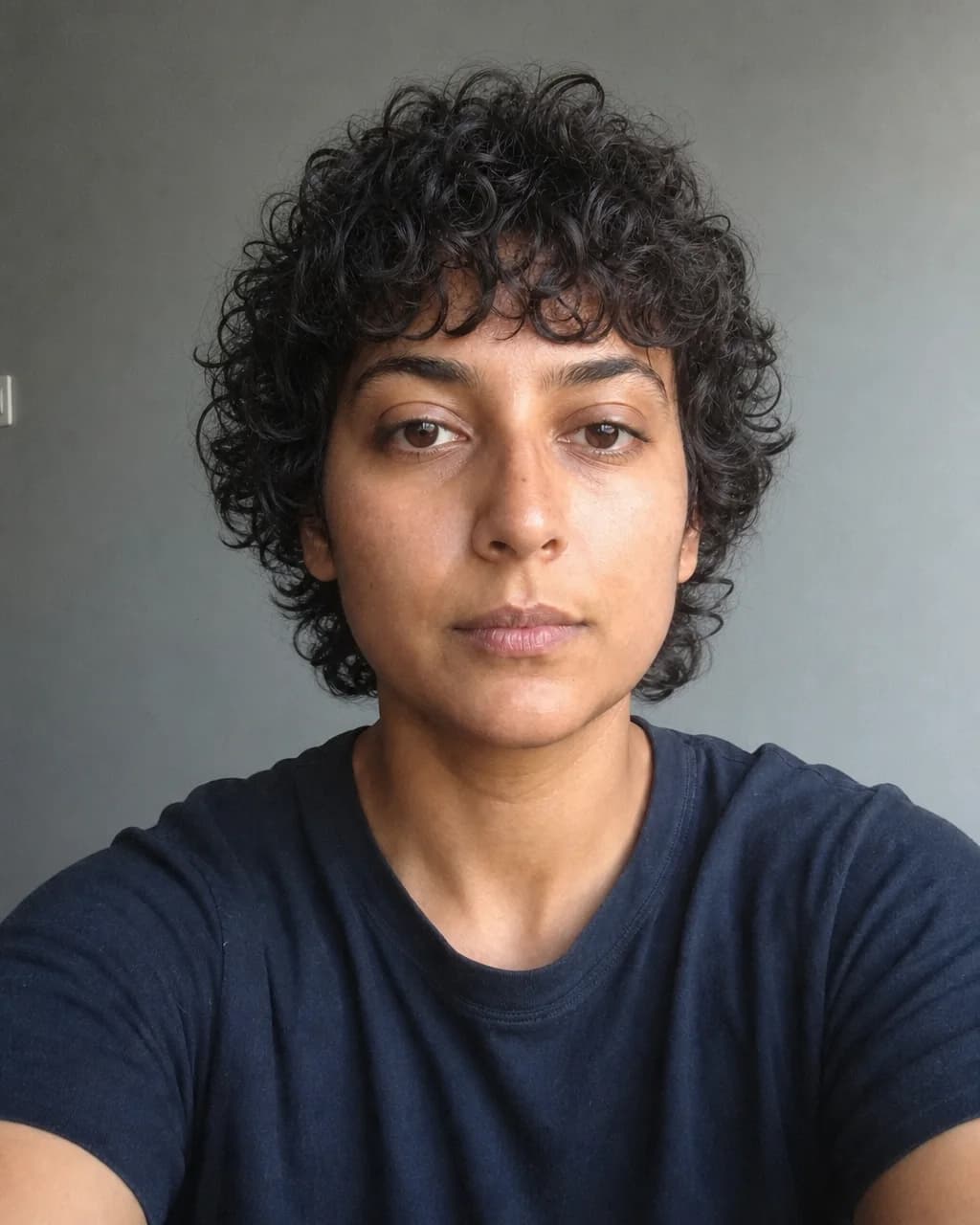
Curl pattern is only the first input
Two people can both have curly hair and need very different layer plans. One may shrink several inches, one may carry most density at the sides, and one may always wear a twist-out. The useful cut begins with the finished routine, not a generic curl label.
- 1Pattern and shrinkageHow far the dry curl sits from the stretched or wet length.
- 2Density and weightWhere the outline expands and where layer removal may expose space.
- 3Normal routineWash-and-go, diffused, stretched, twist-out, or another regular finish.
- 4Grow-out pathWhether the shortest layer and fringe will still connect in three months.
Ten curly haircuts, with the routine included
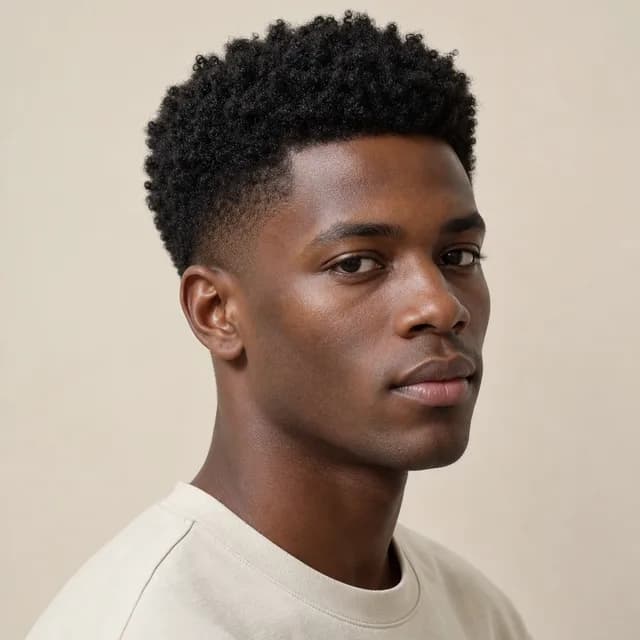
Curly taper
- The shape
- Length and curl stay visible on top while the sideburns and neckline taper cleanly.
- Best starting point
- Curly or coily hair at short to medium length.
- The honest catch
- The taper should not climb so high that the cut loses all width at the temples.
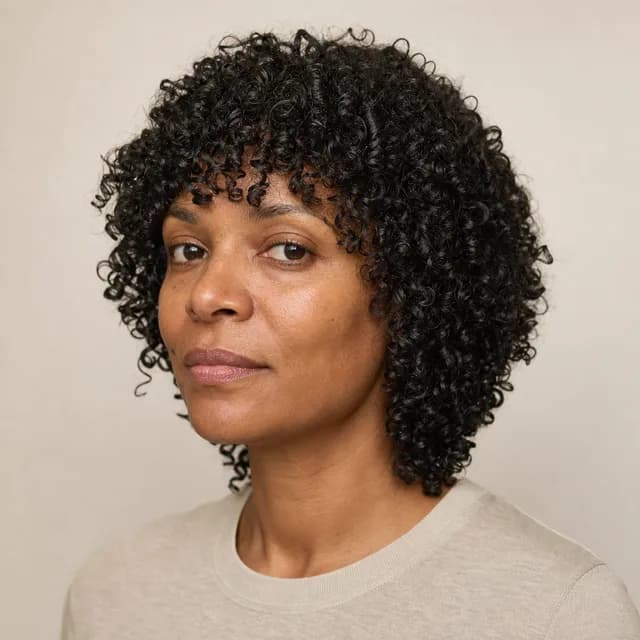
Curly shag
- The shape
- Layered crown, active fringe, and length through the sides and back.
- Best starting point
- Loose to medium curls with enough length to form connected layers.
- The honest catch
- Shrinkage can make the fringe much shorter dry than it looked during the cut.

Curly bob
- The shape
- A rounded or softly angled bob built around the dry curl silhouette.
- Best starting point
- Curly and coily hair with enough length to land between jaw and shoulder when dry.
- The honest catch
- A wet chin-length plan may spring well above the jaw after drying.
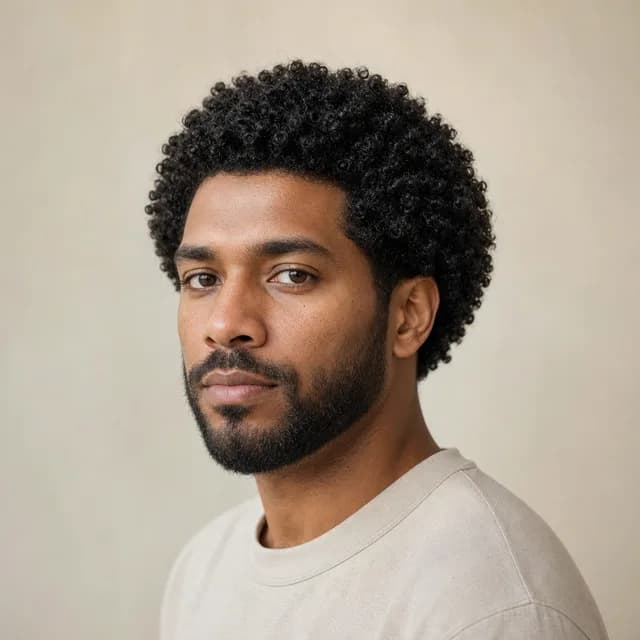
Wash-and-go shape
- The shape
- Balanced layers that let the natural curl pattern form the finished outline.
- Best starting point
- Curly or coily hair worn in its natural set most days.
- The honest catch
- Wash-and-go does not mean zero routine. Product, drying method, and refresh habits still matter.
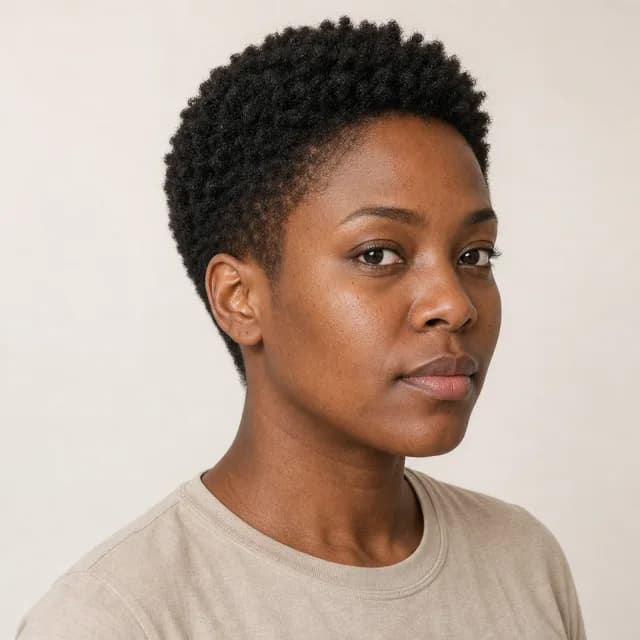
Coily tapered crop
- The shape
- A compact top with the coil pattern visible and a soft taper around the edge.
- Best starting point
- Tight coily hair at short length.
- The honest catch
- The preview must keep the coils tight. Loosening them into large spirals changes the haircut.
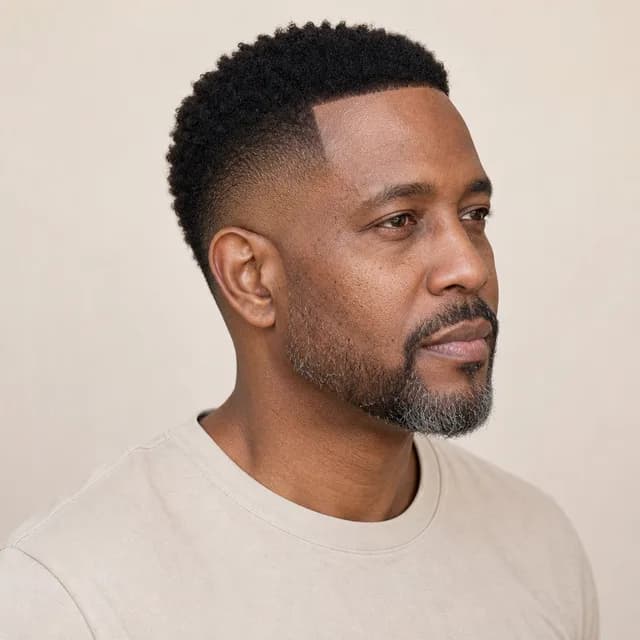
Curly burst fade
- The shape
- A curved fade around the ear with curls kept through the top and back.
- Best starting point
- Dense curly or coily hair when strong contrast is desired.
- The honest catch
- Frequent edge cleanup and a clear plan for the back are part of the look.
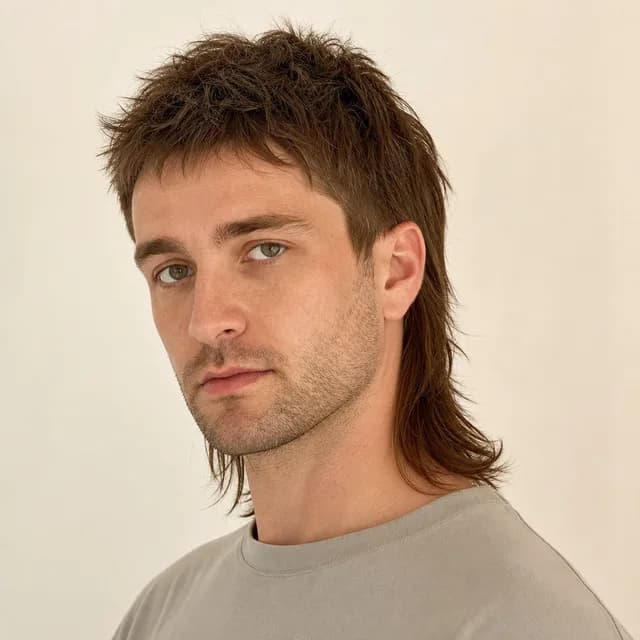
Curly modern mullet
- The shape
- Shorter sides, active top layers, and curl length left through the nape.
- Best starting point
- Curly hair with enough crown and back length to connect the shape.
- The honest catch
- A disconnected version is harder to grow out than a soft, blended mullet.

Shoulder-length shag
- The shape
- Medium layers and a soft fringe distribute volume through a shoulder-length outline.
- Best starting point
- Wavy to curly hair with medium or longer starting length.
- The honest catch
- Too many short crown layers can create a wide top and thin-looking ends.
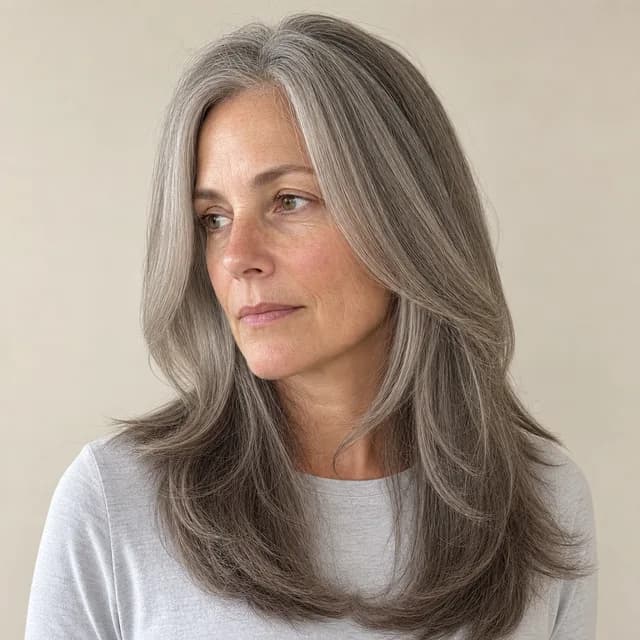
Long curly layers
- The shape
- Long layers release movement while keeping the overall length and perimeter.
- Best starting point
- Medium to thick curly hair at collarbone length or longer.
- The honest catch
- The first layer should be planned in the dry curl shape, not only by wet length.
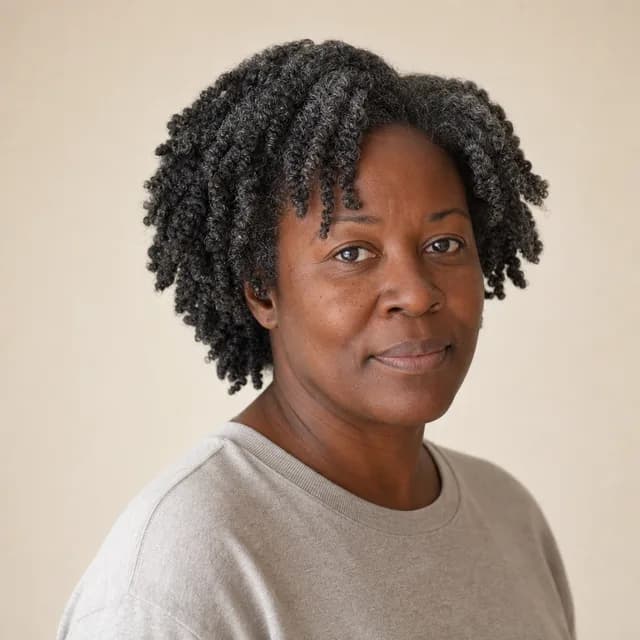
Layered twist-out shape
- The shape
- A balanced layered cut designed to sit evenly when the hair is worn in a twist-out.
- Best starting point
- Coily hair when twist-outs are part of the normal routine.
- The honest catch
- The finished pattern comes from both the cut and the set. Ask how it will sit without the twist-out too.
The preview has to preserve the pattern
A model can make an image look polished by enlarging tight coils into loose spirals. That changes the volume, length, and entire haircut. The prompt and the recommendation logic treat curly and coily as separate texture inputs for that reason.
 FrontThree-quarterProfile
 FrontThree-quarterProfile
Three questions before the first layer
Where will the shortest curl land dry?
This matters most at the fringe, crown, and around the ears where shrinkage changes the outline quickly.
Where are you keeping weight?
A good answer names the lower perimeter, sides, crown, or another exact part of the finished silhouette.
How does it work with my routine?
Show how the cut sits in the style you wear most, not only the salon finish created that day.
Curly haircut FAQ
What is the best haircut for curly hair?
The strongest all-around options are a curly taper, curly shag, curly bob, wash-and-go shape, shoulder shag, or long layers. The best one depends on the curl pattern, shrinkage, density, starting length, and how the hair is normally styled.
Should curly hair be cut wet or dry?
The useful question is how the stylist checks the dry result. Some stylists cut dry, some work wet and refine dry, and some choose based on the curl and service. The finished shape and shrinkage should be assessed in the way you normally wear the hair.
Do layers help curly hair?
Layers can release movement, distribute volume, and stop one heavy triangular shape. The wrong layer height can also create a very wide crown or thin ends. The plan should name where volume stays and where it is removed.
Can an AI hairstyle preview keep my real curl pattern?
The tool tells the image model to keep curl diameter and not loosen, stretch, smooth, or enlarge the pattern. That improved texture honesty in the internal benchmark, but every result should still be compared with the source photo before it is treated as a literal forecast.