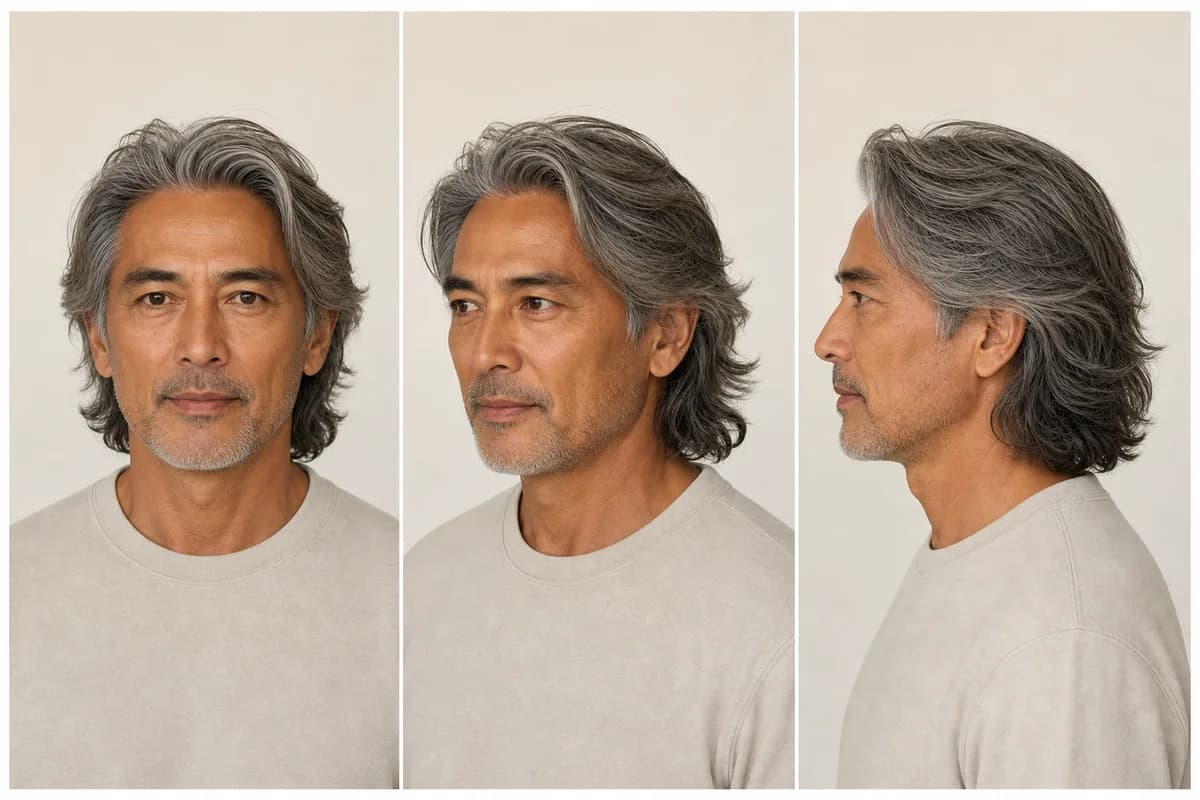
Length can reveal or remove the pattern
A wave that disappears at crop length may become strong at ear length. Another pattern may puff at the sides before it grows heavy enough to flow. Choose the target length with that transition in mind.
- 1Short wavy hairUse a taper, crop, or fringe when the wave still appears at the chosen top length.
- 2Medium wavy hairCurtains, a shag, or flow can use the natural bend for movement.
- 3Long wavy hairLong layers can prevent one heavy outline while preserving end density.
- 4Thick wavy hairControl the sides with length and selective removal, not an automatic high fade.
Ten cuts that keep the bend visible
Choose a reference with wave strength close to your own. A loose S bend will not finish like a defined ringlet, even at the same length.
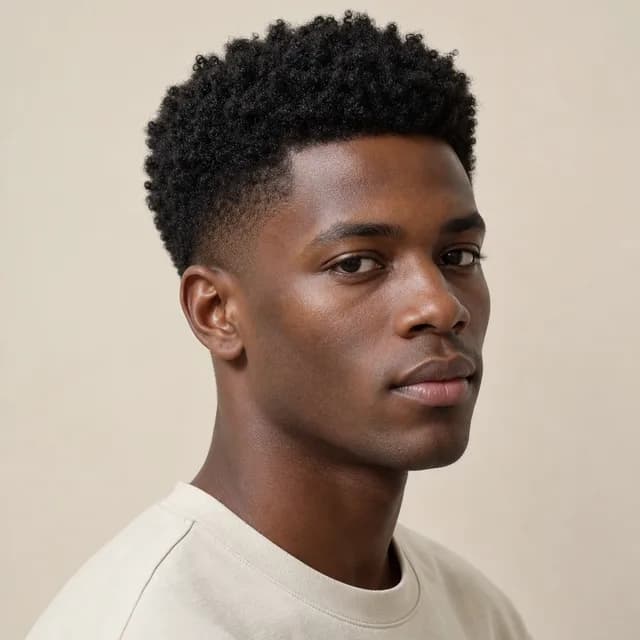
Short wavy taper
- Why it works
- It keeps enough top length for movement while making the outline easy to manage.
- Best starting point
- Loose to strong waves that remain visible at short length.
- Check before cutting
- If your wave appears only when longer, a short top may finish almost straight.
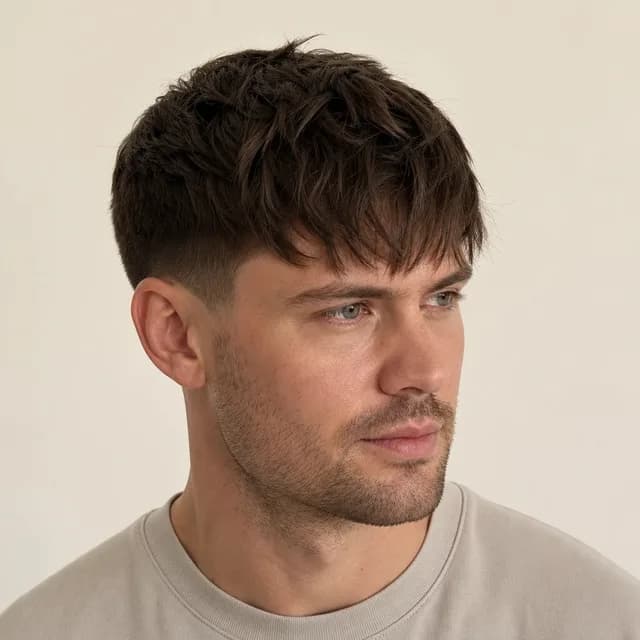
Wavy textured fringe
- Why it works
- The wave creates separation and softness without a tall styled shape.
- Best starting point
- Medium front length with a loose or moderate wave.
- Check before cutting
- Check where the shortest piece lands after the hair dries in its normal pattern.

Wavy curtains
- Why it works
- A soft wave helps the front curve away from the face without heavy styling.
- Best starting point
- Medium wavy hair with a natural center or off-center part.
- Check before cutting
- The sides need enough length to settle instead of expanding above the ears.
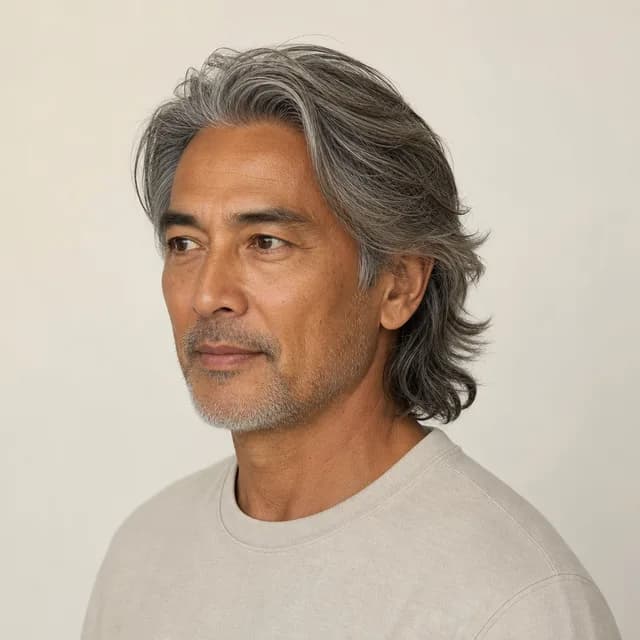
Medium wavy flow
- Why it works
- The natural bend creates movement while the longer sides avoid a disconnected top.
- Best starting point
- Medium to thick wavy hair at ear length or longer.
- Check before cutting
- There may be a wide grow-out stage before the sides become heavy enough to flow back.
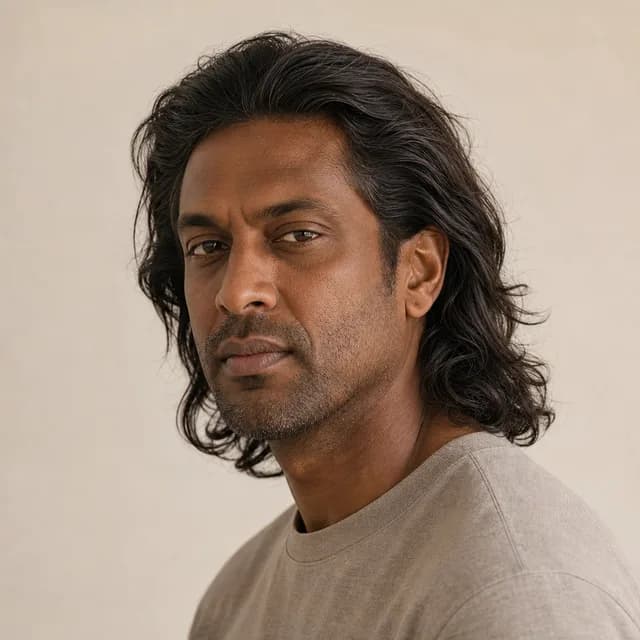
Bro flow
- Why it works
- It gives thick waves room to form without squeezing all the mass into the top.
- Best starting point
- Thick wavy hair with enough side length to tuck or sweep.
- Check before cutting
- The haircut still needs internal balance so the sides do not become triangular.

Wavy shag
- Why it works
- The layers help waves form at different points instead of hanging in one heavy block.
- Best starting point
- Medium wavy hair with moderate to high density.
- Check before cutting
- Too much thinning can create fuzzy ends and make the lower shape look weak.
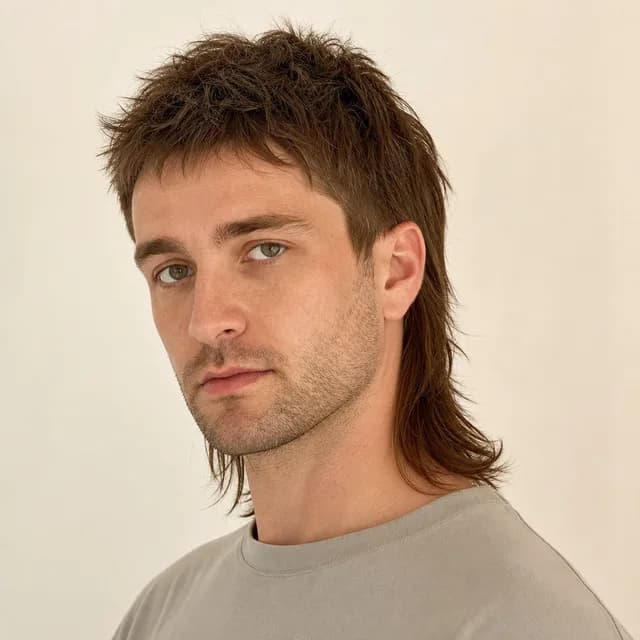
Wavy modern mullet
- Why it works
- Wave gives the crown and nape visible movement without a severe disconnected shelf.
- Best starting point
- Wavy hair with enough crown and nape length to show the profile.
- Check before cutting
- Choose a taper or full side if a sharp burst fade feels too strong.

Messy medium waves
- Why it works
- It works with an imperfect wave pattern and does not demand one polished direction.
- Best starting point
- Medium wavy hair with varied bends across the head.
- Check before cutting
- Ask which layers create the shape so messy does not become unplanned bulk.

Shoulder-length waves
- Why it works
- Longer length reveals the full wave pattern and gives the hair room to settle.
- Best starting point
- Medium to thick wavy hair that is already near the shoulders.
- Check before cutting
- Short crown layers can add unwanted width and make the lower ends look thin.
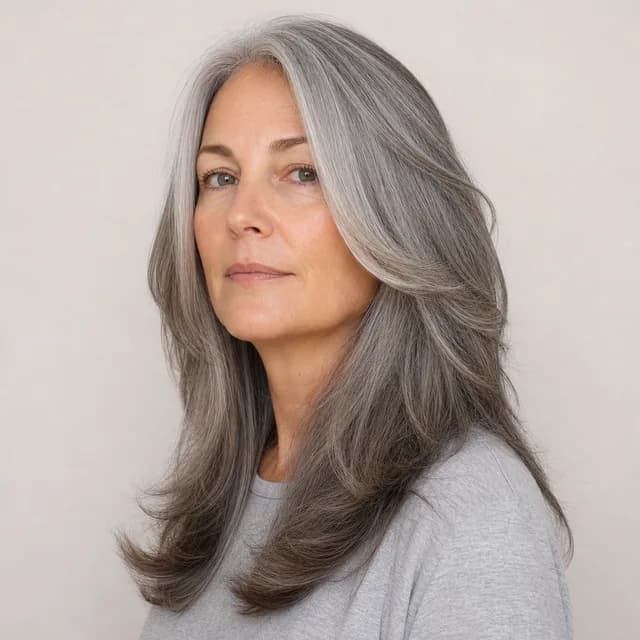
Long wavy layers
- Why it works
- Layers can release heavy areas while keeping the overall length and wave pattern.
- Best starting point
- Long wavy hair with enough density to support face framing.
- Check before cutting
- Keep the first layer long enough to tie back if that matters to the routine.
Three details make the reference useful
The same haircut name can look straight, wavy, or curly depending on length and styling. Spell out the version you want.
Match the wave strength
Use a reference with a loose bend, S wave, or stronger pattern close to your own.
Set the side weight
Decide whether the side stays full, tapers low, or fades around the ear.
Name the drying routine
Explain whether you air dry, diffuse, brush back, or use product to define the wave.
Haircuts for wavy hair men FAQ
What haircut is best for men with wavy hair?
A wavy taper, textured fringe, curtains, flow, shag, modern mullet, or long layers can work. The best choice depends on how strong the wave is at the target length, plus density and routine.
What short haircut works for wavy hair men?
A low taper with a wavy top, short textured fringe, or crop can work when the wave stays visible at short length. Some patterns appear straight when cut too short, so check your own past photos.
Is long hair good for wavy hair men?
Longer hair can reveal the full wave and help thick sides settle. Selective layers can add movement, but too many short layers may create extra width and thin ends.
Can the preview keep my hair wavy instead of curly?
The generation prompt preserves the source texture and should not turn loose waves into ringlets. Compare the result with the original photo and reject any version that changes the pattern.